Technology encompasses the methods, skills, and processes utilized to help individuals and organizations achieve their objectives more efficiently. It streamlines labor by introducing simpler and more effective ways of accomplishing tasks, facilitates problem-solving, and enhances overall task management.
Both residents and international traders actively seek reliable Australian forex broker platforms to trade Forex (currencies). In Australia, forex brokers must obtain authorization from the Australian Securities and Investments Commission (ASIC), the country’s financial markets regulator, before accepting traders for forex and Contracts for Difference (CFDs).
Forex Trading
Historically, the forex market was accessible only to large corporations and financial institutions, restricting currency exchange activities to these entities. Individual traders had minimal opportunities to engage in currency trading and capitalize on exchange rate fluctuations.
Moreover, the absence of real-time information and limited communication channels made currency trading a slow, complex process. Traders and businesses faced challenges such as inadequate knowledge, limited understanding of foreign markets, and inefficient communication methods, which hindered effective forex trading.
Saxo bank vs Etoro brokers are frequently compared to identify the most suitable options. However, traders should recognize that the best broker varies depending on individual trading preferences and strategies, and this diversity is completely normal.
How Technology Is Transforming Forex Trading
· Increased Accessibility
As online platforms gain popularity, connecting with forex trading businesses has become accessible and often free for everyone—from novices to seasoned traders. Forex trading company websites and social media platforms such as Twitter, Facebook, Instagram, and LinkedIn provide easy access to information, reviews, and real-time updates, helping traders make informed decisions on where and how to trade.
· Speedy Transactions
Traditionally, brokers would manually process investors’ trade execution requests, leading to delays. Nowadays, technological advancements enable real-time, automated executions that drastically reduce execution costs and processing times.
Automation streamlines trade execution, eliminating the need for multiple consultations before placing an order. Transactions can now be completed within seconds, even when a forex trader entrusts the broker to execute trades on their behalf.
· Competitive Landscape
Technological advancements have transformed forex from an exclusive, opaque market into a transparent, global trading phenomenon. Increased competition has prevented monopolies by large firms, fostering innovation and better services for traders.
Technology has enabled the rise of smaller forex providers, broadening the market to serve both expert and beginner traders. This expansion has increased market liquidity and created a more dynamic and competitive environment in the foreign currency market.
· Flexibility and Convenience
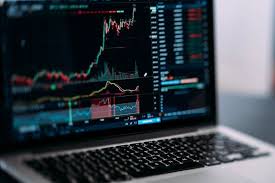
Thanks to modern technology, virtually anyone with internet access can engage with live forex markets. Advanced algorithms and technology process vast amounts of forex data in real time, providing traders with up-to-date market insights.
Many forex brokers now offer mobile applications, giving traders the ability to access research, review economic indicators, and monitor breaking news instantly via their smartphones and tablets, facilitating trading on the go.
Additionally, the integration of cloud-based trading platforms and algorithmic trading solutions has further increased flexibility for forex traders, enabling them to optimize strategies and respond swiftly to market changes from anywhere globally.
Conclusion
As technology continues to evolve, so will the dynamics of the foreign exchange market. Artificial intelligence and machine learning are expected to play increasingly significant roles in data analysis, helping traders make more informed and faster decisions. Modern technologies have empowered Trading professionals to bypass complex data interpretation, making forex trading more accessible and efficient than ever before.
Improved technological infrastructure has also led to better risk management tools and enhanced security protocols, safeguarding traders’ investments and data privacy. Overall, the integration of innovative technologies is revolutionizing forex trading, driving it towards greater transparency, inclusivity, and profitability worldwide.