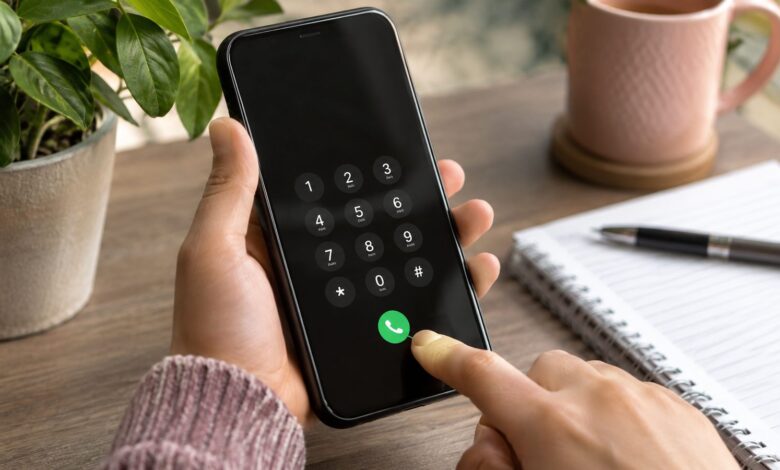
If you’re wondering what *69 on cell phone service does, the answer depends on your carrier. The code traditionally activates Call Return, which handles the most recent incoming call. Modern U.S. smartphones usually provide the same basic function through call history instead. On supported home-phone services, dialing *69 can identify or return the latest eligible incoming call. Cellular networks do not universally support the feature, so it may fail on an iPhone or Android phone. Your Phone app is usually the faster and more reliable option. Quick answer: *69 is traditionally a Call Return code that handles the most recent incoming call. It remains documented for some U.S. landline and digital home-phone services. On modern cell phones, carrier support varies, so checking the Phone app’s recent-call history is usually the better approach.
| Question | What U.S. users should know |
|---|---|
| What does *69 mean? | It is commonly known as Call Return or Last Call Return. |
| Does it work on cell phones? | Support depends on the wireless carrier and service. |
| Does it work on landlines? | Yes, many supported landline and digital voice services still document it. |
| Can it reveal private callers? | Usually not when caller information was deliberately blocked. |
| Does iPhone need it? | Usually no, because recent calls are available in the Phone app. |
| Does Android need it? | Usually no, because supported Phone apps maintain call history. |
| Can it trace a scammer? | No. Call Return is not a law-enforcement tracing service. |
| Could it cost money? | Charges can depend on the provider and calling plan. |
Key Takeaways
- *69 is best known as a Call Return feature.
- It is still documented by providers such as Verizon and AT&T for supported home-phone services.
- It should not be treated as a universal cellular command.
- iPhone and Android users can normally return calls from their call history.
- The feature usually cannot reveal a deliberately blocked private number.
- Returning an unfamiliar call may be risky when the caller could be a scammer.
- Carrier rules matter more than whether your device is an iPhone or Android.
What Does *69 on Cell Phone Service Actually Do?
Traditionally, *69 tells the telephone network to access the most recent eligible incoming call. Some systems announce that number before offering to dial it. Others may start the return-call process after you follow an automated prompt. The feature is also known as Call Return, Last Call Return, or Automatic Recall. Verizon currently documents *69 for its Fios and traditional home-phone services. AT&T also lists it as Call Return in its current home-phone star-code documentation. That distinction matters for smartphone users. A code supported by a home-phone network is not automatically supported by every cellular carrier. Your mobile provider decides which network codes work on your particular line.
Does *69 Still Work on Cell Phones in the U.S.?
There is no universal answer for every American mobile subscriber. Wireless networks can interpret star codes differently, and support can change between plans. A code working on one service does not prove that another carrier supports it. For this reason, you should not depend on *69 as your main smartphone callback method. Dialing it may produce an error, fail to complete, or behave differently. Checking your recent calls avoids that uncertainty. The difference also explains conflicting advice online. Some pages describe traditional telephone behavior without separating landline and cellular service. Current carrier documentation provides a clearer picture when checking a specific line.
Where *69 Is Most Likely to Work
Traditional landline service remains the clearest use case for Call Return. Verizon documents the code for eligible Fios Digital Voice and traditional telephone customers. AT&T also documents the feature for home-phone subscribers. Provider rules can still limit which calls qualify. A network may be unable to return certain private, international, cellular, or unavailable numbers. Availability can also differ by service area or telephone package. Digital business systems may use similar feature codes. Hosted telephone platforms often manage calling features at the provider level instead of the physical handset. TechZena’s hosted PBX overview explains that broader service-side approach.
How to Return the Last Call on an iPhone
Apple already provides recent-call information through the Phone app. Open Phone and view your Calls or Recents area, depending on your iOS layout. Select the person or number you want to call back. You can also open a call entry for more information. That view can help confirm whether the call was incoming, missed, or associated with a saved contact. Apple notes that your carrier may hold additional information about older calls. This approach is usually preferable to testing an uncertain carrier code. It lets you see the number before starting a return call. That extra moment can help you avoid calling suspicious numbers accidentally. If mobile settings look unfamiliar, interface locations can change between software versions. TechZena’s device keyboard settings guide also shows how iPhone and Android menus can vary. The same principle applies to Phone app layouts.
How to Return the Last Call on Android
Android users can normally start with the device’s Phone app. Google’s Phone app displays made, answered, and missed calls in its call history. Tap the relevant entry when you want more details or a callback. The exact interface can differ between Google Pixel, Samsung Galaxy, and other Android phones. Manufacturers may use their own dialer or customize Google’s software. Your carrier can also add network-specific calling features. Samsung owners may therefore see different menus from Pixel users. TechZena’s Samsung Galaxy S25 guide covers a current Samsung device and its software environment. Regardless of hardware, recent-call history remains the better first place to check.
Why *69 May Not Work on Your Mobile Phone
A failed code does not necessarily mean anything is wrong with your phone. Your wireless provider may simply not support that feature on cellular lines. Modern smartphones already store recent-call information, reducing the need for traditional Call Return. A private caller creates another limitation. Verizon states that its supported home-phone Call Return service cannot announce or return calls marked private. A smartphone code should not be treated as a guaranteed method for uncovering hidden caller information. Network differences can create other failures. Business PBX systems, internet calling services, and unusual routing arrangements can handle caller information differently. The safest assumption is that Call Return depends on the telephone service, not the handset alone.
Can *69 Reveal a No Caller ID or Private Number?
Usually, you should not expect it to reveal a deliberately hidden number. Call Return depends on caller information being available to the supported service. A number marked private may therefore remain unavailable. This is important because many online tips promise more than the feature can deliver. Call Return is not a secret caller-identification tool. It cannot reliably defeat privacy settings chosen by another caller. You should also distinguish “Private” from an unfamiliar visible number. A visible number can still be spoofed by an unwanted caller. Seeing digits on your screen does not prove who placed the call.
Is It Safe to Call an Unknown Number Back?
Think before returning an unfamiliar missed call. Legitimate callers may leave voicemail, send a text, or call again. Those signals give you more context before you respond. For an unknown visible number, consider checking the voicemail first. Google’s Phone app also provides number-lookup functionality on supported Android devices. Avoid sharing passwords, verification codes, or financial details with an unexpected caller. If voicemail access causes trouble, TechZena has a detailed guide on resetting a voicemail password. Restoring mailbox access can be safer than returning every unknown call. You can hear the caller’s message before deciding whether a callback makes sense.
*69 vs. *67 and *57
These codes serve different purposes, so they should not be confused. Call Return concerns a recent incoming call, while *67 traditionally controls outgoing caller-ID presentation. *57 is associated with call-trace services on supported telephone systems.
| Code | Common purpose | Important limitation |
|---|---|---|
| *69 | Call Return | Not universally supported on cellular service |
| *67 | Caller ID blocking for an outgoing call | Availability and exceptions depend on service |
| *57 | Call Trace on supported systems | It does not normally reveal traced information directly to you |
| *89 | Cancel certain Call Return functions | Mainly associated with supported home-phone implementations |
These codes are carrier features rather than universal smartphone commands. Their behavior can differ by provider, plan, and type of telephone service. Always check your carrier before relying on a code for an important task.
Could Using *69 Cost Money?
Charges depend on the telephone provider and service plan. Some older telephone packages treated Call Return as a paid feature or subscription option. Current pricing should therefore come from your carrier rather than an old online price list. A returned call can also be billed under normal calling rules. International, premium, or metered calls may have separate costs. Check the number before accepting any automated callback when your service announces it first. Mobile users have another reason to prefer the call log. Opening recent calls does not require activating a carrier feature. You can inspect the number before deciding what to do.
What to Do Instead on a Modern Smartphone
Start with the Phone app whenever you miss a call. Apple and Google both provide built-in call-history tools on supported devices. These tools normally give you more control than blindly returning the latest incoming call. A sensible process is:
- Open the Phone app.
- Check the latest missed or incoming call.
- Review the number before calling.
- Listen to any voicemail first.
- Search an unfamiliar visible number if needed.
- Block or report obvious spam through available phone or carrier tools.
- Contact your carrier if call-history information seems incomplete.
This method also prevents an important Call Return problem. Another incoming call could become the newest call before you use the feature. A visible call history lets you select the exact entry instead.
When Calling Your Carrier Makes Sense
Contact your carrier if you specifically need to know whether Call Return works on your mobile plan. Ask whether the feature is supported on wireless lines and whether it carries a fee. Also ask what happens with private or unavailable calls. Carrier support is especially useful after changing providers. Your physical phone can remain the same while network features change. A code that worked on an older service may not behave the same way after switching. This service-side distinction also appears with voicemail. TechZena’s voicemail reset guide explains why mailbox functions often depend on the carrier. Star-code availability follows a similar principle.
Frequently Asked Questions
What does *69 on cell phone service mean?
It refers to the traditional Call Return code used for the most recent eligible incoming call. Mobile support is not universal in the United States. Smartphone users should normally check their recent-call list first.
Does the code work on iPhone?
An iPhone can dial star codes, but each code still depends on carrier support. You can return recent calls directly through Apple’s Phone app. That method also lets you inspect the caller before dialing.
Does it work on Android phones?
Android phones can send network codes, but individual carriers determine whether a code is supported. Google’s Phone app already provides made, answered, and missed call history. Other Android dialers offer similar recent-call functions.
Can it reveal a blocked number?
Do not rely on Call Return to expose a number marked private. Verizon’s home-phone documentation specifically says private calls cannot be announced or returned through the feature. A hidden caller’s identity therefore may remain unavailable.
Will it trace a scam call?
No, Call Return and call tracing are different functions. Returning a number does not verify the caller’s identity because caller information can be misleading. Avoid calling suspicious numbers until you have more context.
What should I do if the code does not work?
Open your phone’s recent-call list and locate the missed call manually. If you specifically need carrier-level information, contact your wireless provider. Ask whether Call Return is supported on your exact plan.
The Bottom Line
Call Return remains useful on some traditional and digital home-phone services. Modern cell phones make the feature far less necessary because recent-call history is already built into the device. Carrier support also prevents *69 from being a universal mobile shortcut. For most U.S. smartphone users, check the Phone app before trying a star code. Review voicemail and verify unfamiliar numbers before returning suspicious calls. Contact your carrier when you need a definitive answer about your particular wireless plan. —